

Wonder Woman Holiday Wish List
The Holidays are here! Shopping for comic book fans is a ton of fun, but finding high-quality items can be a challenge. Here is my handy-dandy wish list for 2017 to give you lots of ideas for that special Wonder Woman fan in your life.
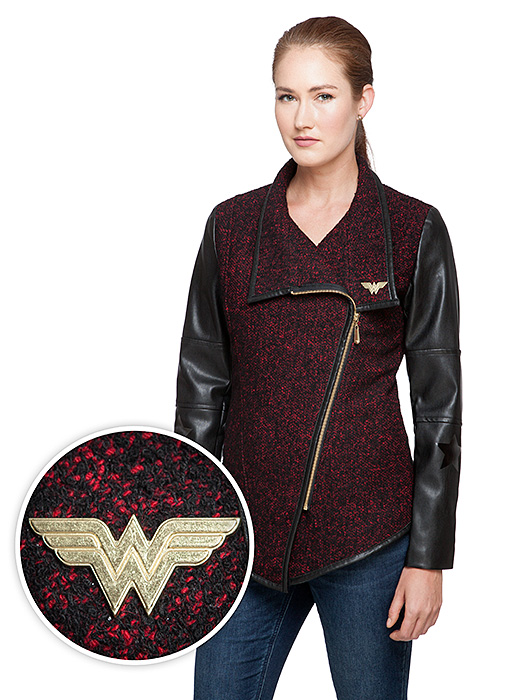
Wonder Woman Asymmetrical Moto-Jacket ($79.99)
I have an obsession with coats and this one is so hot! This awesome jacket is a classy, subtle addition to a Wonder Woman fan's wardrobe. I was lucky enough to see it as a fit model and I am thrilled that it was released in time for the Holidays! It's a unique design that can be dressed up or down, and would be appropriate for work or play! It's a great option for the comic-fan who doesn't always want to wear four-color designs.
Wonder Woman Kisslock Purse ($37.42)
I love the design of this purse! It can be carried as a handbag or hung over the shoulder. The muted red and blue colors along with the metal accents are stylish, but unmistakably inspired by the Amazon Princess. I especially love the detailed stitching that echoes the armor that Wonder Woman wore in the movie.
Wonder Woman with Horse Q-Fig Max Vinyl Figure ($29.99)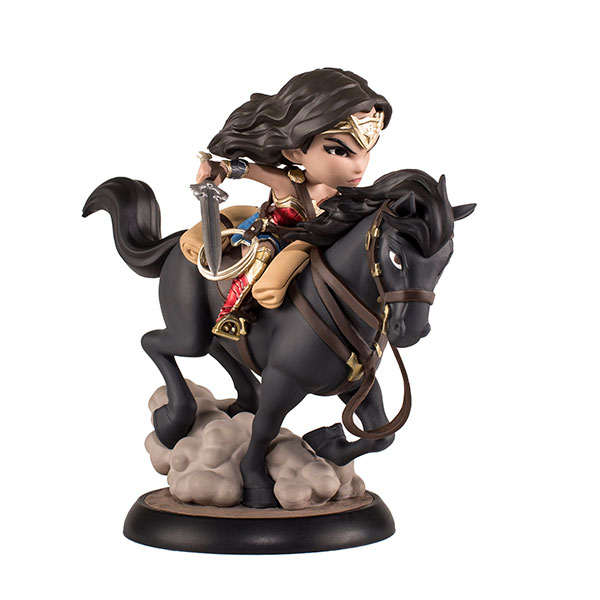
This adorable figure captures the spirit of the Wonder Woman film perfectly! Her and her noble steeds faces are fixed in expressions of pure determination. Together, they are charging off to fight for those who cannot fight for themselves.
Wonder Woman Scarf ($14.49)
This vibrant red scarf is covered with gold Wonder Woman logos. It's a stylish accessory for any outfit that is clearly for the Diana fan. It will go with a wide variety of styles and is great for close friends or casual acquaintances.
Wonder Woman Lasso of Truth Raglan Shirt ($29.00)
Based on the stunning artwork of one of my favorite artists, Sho Murase, this shirt has a bit more style and a better fit than a lot of the geek t-shirts out there. It's being carried by a few different geeky sites, but this seems like the

Wonder Woman Barbie ($49.99) or Wonder Woman Barbie-knockoff ($14.99)
These dolls are stunning! As a kid, I would have freaked out about these dolls! They have a great level of detail and have been updated from the 12-inch dolls I played with years ago. They can strike great poses and come with their own swords and shields! If you're buying for an adult, spring for the more expensive collectors edition Barbie. Kids will love the less expensive brand and you can hardly tell the difference!
Fight For Peace Makeup Bag ($21.99)
What Amazon Princess doesn't need a makeup bag that will keep all her supplies safe while she is fighting for truth and Justice? Based on the retro designs that have been brought into DC products by the Bombshell comics, this bag looks like it was pulled from a rally poster for a World War. It would also be great to hold school supplies, keeping things organized in a travel bag, and more!
 Wonder Woman Denim Jacket ($129.00)
The Hero Within is a great company that makes designs for geeks, by geeks. Originally a company that focused on creating great fashion options for the underserved male geek fashion community, they have now branched out and design great things for nerds of all types! This subtle Wonder Woman design is unisex! It caught my eye ages ago and I wear mine all the time.
Justice League Animated Series Statue ($32.89)
Many Wonder Woman fans first fell in love with her while watching Bruce Timm cartoons and this statue captures his style perfectly. It's a little small when compared with the other statues in this series, but as a stand-alone gift it is great.
 Sideshow Collectables Wonder Woman Statue ($449.99)
If you want to go all-out and earn the undying gratitude of a Wonder Woman fan without worrying about the price tag, this gift is for you. Sideshow Collectables are the primer statue company in the nerd world and this stunning statue is no exception. They actually have a TON of jaw-dropping Wonder Woman statues (all of which I hope to own someday!) but this one is the current jewel of my personal collection. With a spear slung over her shoulder, Diana looks every bit the bad ass warrior she has trained for centuries to become while wearing her classic costume from the comics.
Wonder Woman Rebirth Year One & The Lies ($16.99 each)
The Wonder Woman film has taken the world by storm! A lot of new and old fans are trying to jump into reading her comics. These compilations are where they should start reading the current run of Wonder Woman. Year One is a retelling of Wonder Woman's origin story with STUNNING art by Nicola Scott and The Lies is DC's way of clearing up the clutter of lose threads left by Wonder Woman writers in the last 10 years, illustrated by Liam Sharp. Greg Rucka, a respected Wonder Woman writer with many great titles under his belt writes for both.
These are just some of the incredible Wonder Woman items that you can find online for the holidays! I hope this helps you get the perfect gift for the nerd on your gift list, whether they were naughty or nice!
Do you have a great Wonder Woman item that I missed? Post it below in the comments!

Creating Quality NPCs
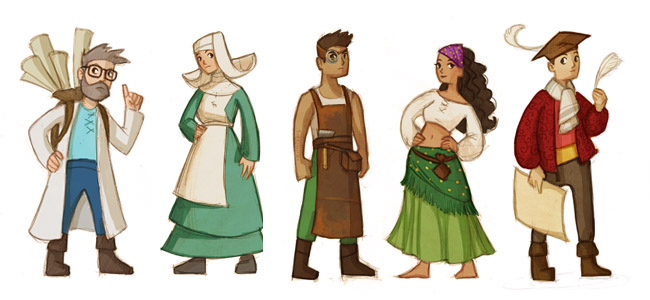 Planning for a game session takes a lot of time. The GM has to anticipate the actions of the players, and do their best to create a story that is challenging and enjoyable. There is a lot of pressure on the GM to create a lot of in-depth content, often with very little turn around time if the group plays multiple times a month. NPCs can be a particular challenge since there are usually a lot of them and players expect them to have personality and depth. So how can a GM create interesting NPCs without spending hours writing their backstories?
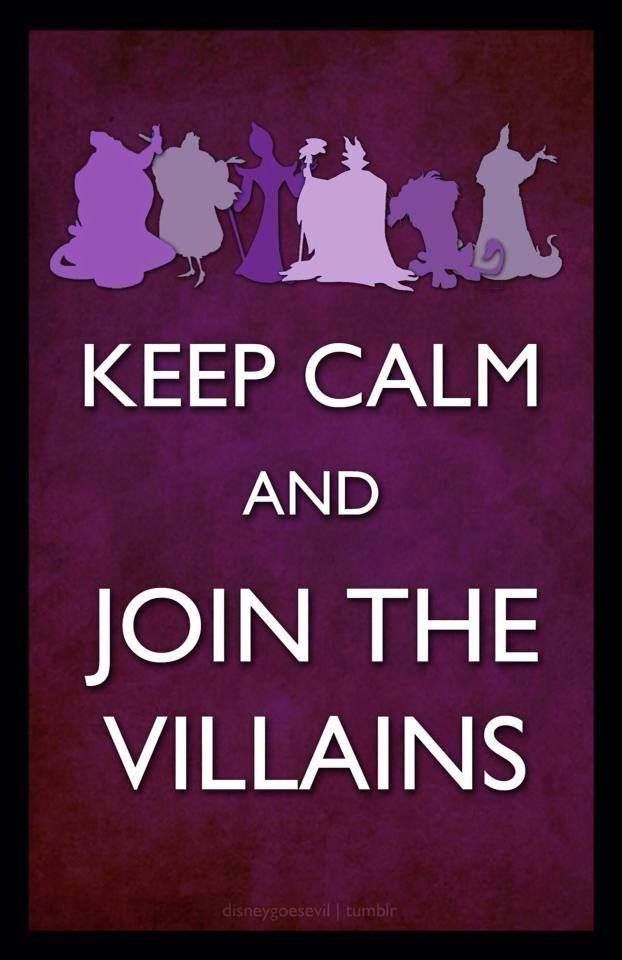
The fastest way to give an NPC depth is to skin them over a person or character with which you are already familiar. This trick is especially helpful when the party has gone somewhere unexpected and you have to create characters on the fly. It works with personalities that you know from real life, pop culture, literature, or anywhere else! It’s easy to give the fisherman’s wife personality if you model her after your crazy aunt, or to get the mayor to seem planned if you skin him over your favorite Disney villain. Have a list of NPC names ready, and it’s possible to fool the players into thinking that you planned it all ahead of time!
 Connecting NPCs to characters you already have in the game is another way to add depth and backstory to them, without starting from scratch. By linking the NPCs to an existing character, a NPC or a PC, you give quick backstory and a frame of reference with which the players can judge them. The young girl they find in the forest ends up being the cousin of the farmer they rescued in the last session, or the town guard served in the military with one of the PCs. This is a great opportunity to bring the PC’s backstories into the game, even if it isn’t a major plot point. These causal connections help make your world feel more real and less episodic. As connections build between NPCs, and between PCs and NPCs, it creates a web that It can also throw some great curve balls at the party when they discover old acquaintances in unexpected places. It’s a great game moment when the party realizes that helping that NPC a few sessions back has unexpected benefits now, or the opposite if you are dealing with a band of murder-hobos!
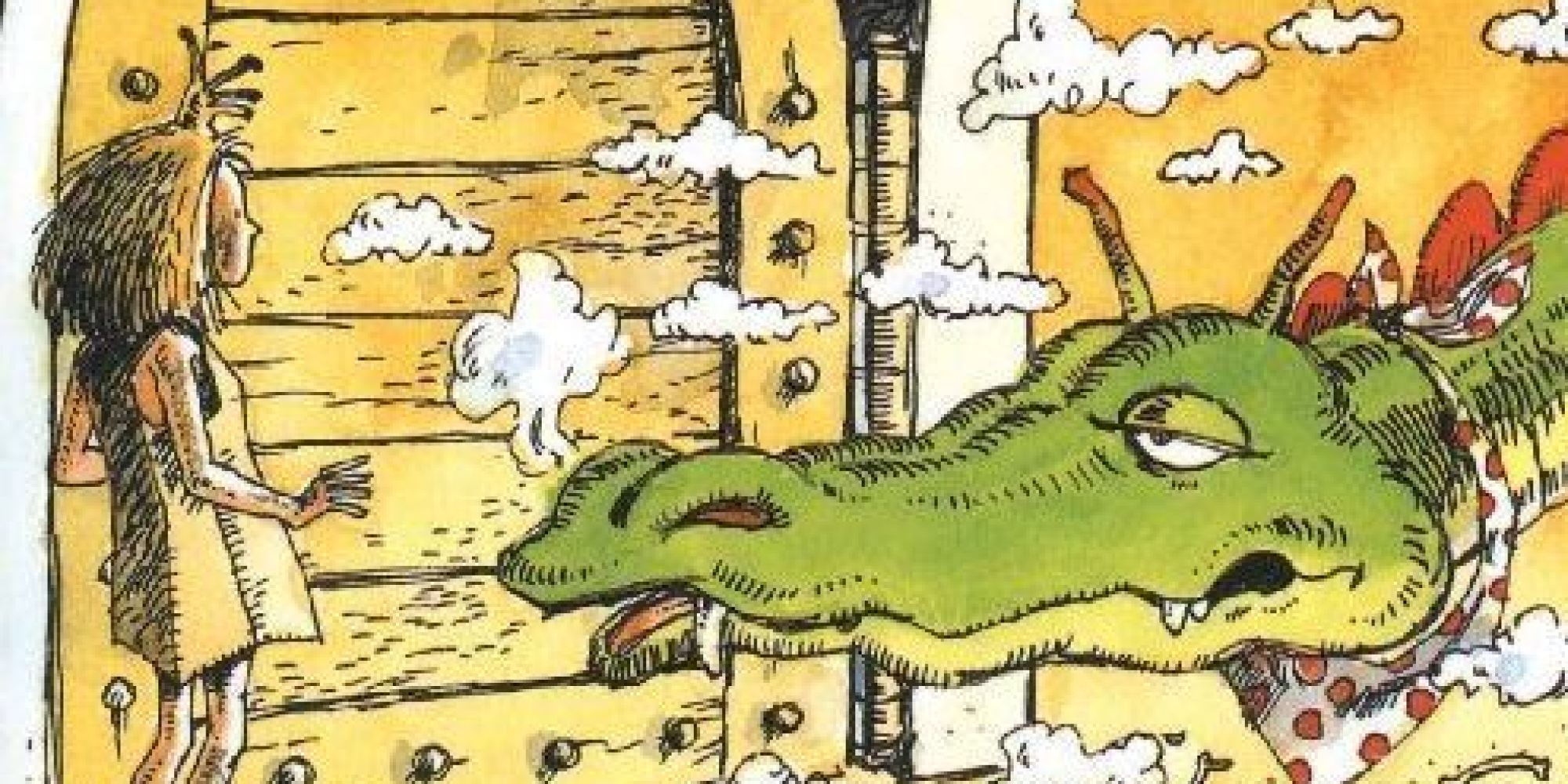 When you do take the time to create deep backstories for characters, it’s always more fun for the players if you avoid classic stereotypes. Not every wizard has to be Gandalf or Merlin. Not every princess has to be a damsel in distress. Make the princess a trained warrior who helps the party instead of waiting to be rescued from the tower. Maybe the wizard was trying to create an immortality spell and is now permanently an obnoxious teenager. NPCs should have disadvantages and flaws, just like any interesting PC. They should also have odd quirks that, although they don’t influence the story, make them unique in the world you have created. Odd collections of items, distinct clothing choices, physical mannerisms, and catchphrases are all great things to build into an NPC. If you are going to spend the time to create an important NPC from scratch, make them worth remembering!
Complex supporting characters enrich the game world and present the group with opportunities for collaborative storytelling. GMs should see them as opportunities as exciting as any combat session. Challenge yourself to keep things fresh and your players guessing with the use of creative NPCs!
(This article was first released to Happy Jack's RPG Patreon supporters! Support our show for access to great previews and exclusive content!)
Do-it-Yourself: Crafting Safety
Safety is something that many of us slack on when we are crafting! Check out this short video to learn the 5 things you should have to keep yourself safe while creating your cosplay or other craft project.
Post any questions in the comments or reach out on social networks! Thank You for Watching! Subscribe if you want more Golden Lasso Girl videos!
Watch More GoldenLassoGirl Videos: http://tinyurl.com/glgvideos
Subscribe to GoldenLassoGirl: http://tinyurl.com/glgsubscribe
Twitter: https://twitter.com/goldenlassogirl
Instagram: https://instagram.com/goldenlassogirl
Facebook: http://fb.me/goldenlassocosplay

Do-it-Yourself: Metal Armor & Accessories
My first YouTube cosplay tutorial is up! I often am asked about my metal Wonder Woman armor, so I decide it would be a great topic! Check out the video to see how I make metal armor and accessories without power tools and on a small budget!
This tutorial does have some sharp edges! Please use the proper safety gear. Crafters under the age of 18 should only attempt this tutorial with parental permission and supervision.
Materials:
Craft Foam
Scissors/Exacto Knife
Pencil & Sharpie
Aluminum Kick Plate
Aviation Snips (min.18-gage)
Block Sanders
Hammer & Nail
Dremel (optional)
If making Wonder Woman tiara you will also need:
Metal Star
Stain Glass Window Paint
6 inches of 1/4 inch elastic
Adhesive Putty or Double Sided Foam Adhesive Strip
TO ADD THE ETCHED LINES INTO THE METAL USE THIS TUTORIAL: https://www.youtube.com/watch?v=XOQM9kBG2JA
Post any questions in the comments or reach out on social networks! Thank You for Watching! Subscribe if you want more Golden Lasso Girl videos!
Watch More GoldenLassoGirl Videos: http://tinyurl.com/glgvideos
Subscribe to GoldenLassoGirl: http://tinyurl.com/glgsubscribe
Twitter: https://twitter.com/goldenlassogirl
Instagram: https://instagram.com/goldenlassogirl
Facebook: http://fb.me/goldenlassocosplay

Volumizing Your Hair for Cosplay

I struggled for years with styling my long hair. When I started cosplaying, I tried everything to get great "comic book" hair consistently, but completely failed. Some days I looked great and other days I was left with a stringy mess! Finally, I had a hair stylist teach me this trick for getting the perfect sexy hair style every time!
You will need:
- Hair dryer
- Mousse
- Rubber Hair band
- Hair Spray
- Curling Iron
- Aluminum Hair Clips
- Scissors (NOT for your hair)
Step 1: Hair Prep
Start by washing your hair and hand drying it with a towel. It should be damp but not dripping wet. Measure an egg sized amount of mousse in the palm of your hand and work it though your damp hair. Spread it out evenly starting at the roots and moving towards the ends, if you have long hair you may need to use a little extra mousse. Once this is done, blow dry your hair in sections until it is completely dry. Now your blank canvas is ready to begin!
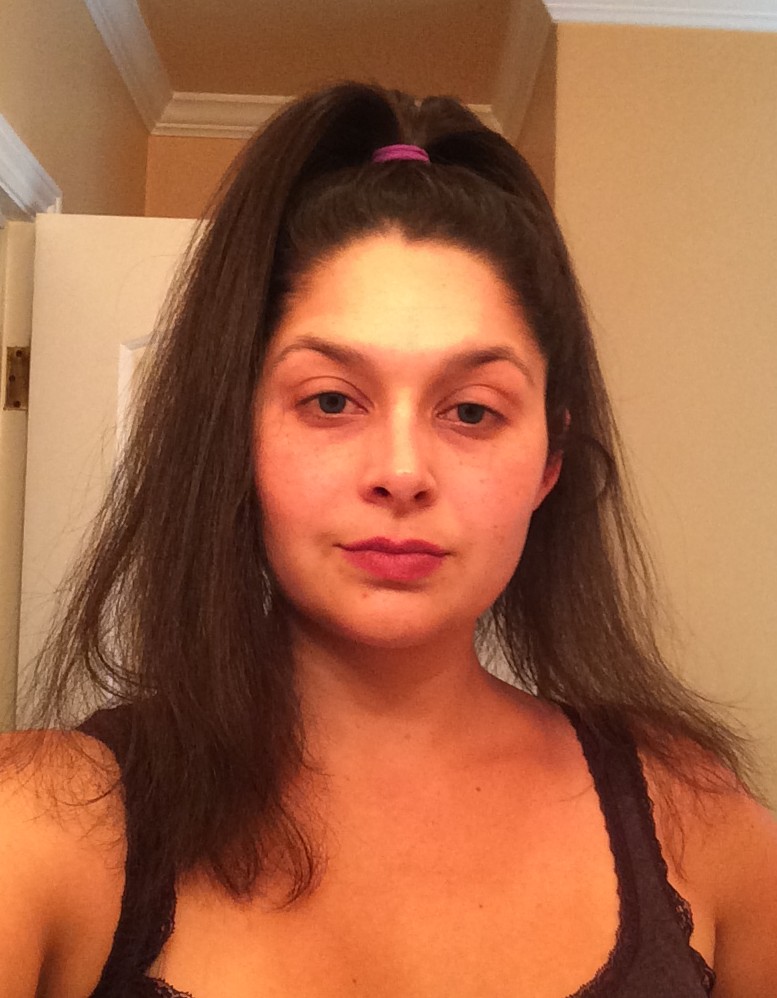
Step 2: High Ponytail
For step 2, be sure to select a low cost rubber hair band. It will get cut later in the process, so don't pick one that you aren't comfortable destroying.
Think 90s ponytail for this step. Bring all your hair up into a tight ponytail on the very top of your head and secure it with the rubber hair band. The tighter you can get it, the better! Give your head a light spritz of hairspray when it's done. (Please ignore the complete lack of makeup in this picture! I was taking pictures for a makeup tutorial that same morning!)
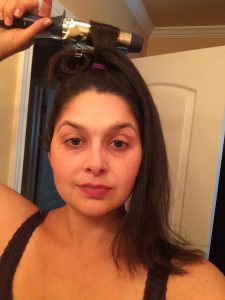 Step 3: Curling
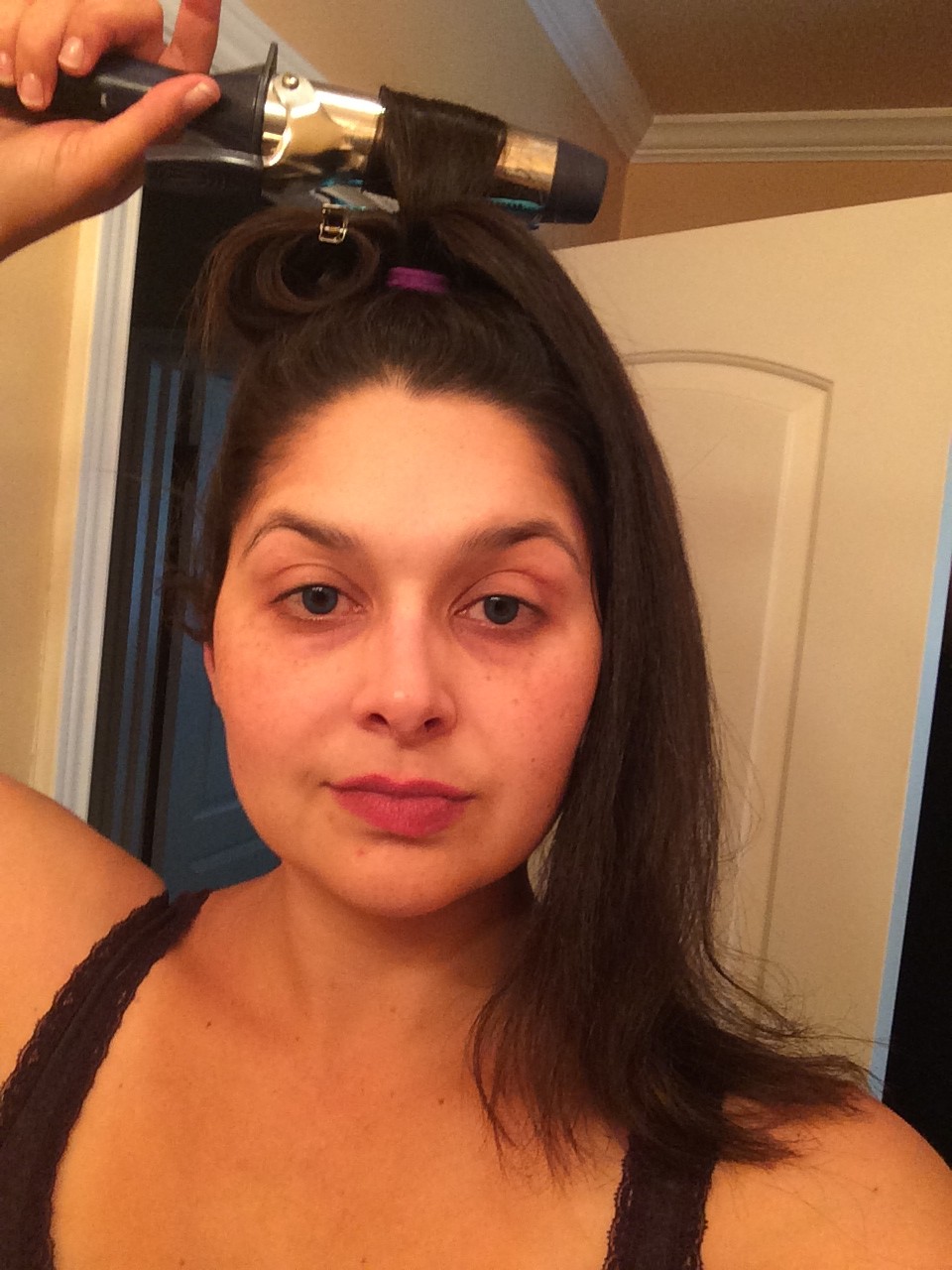
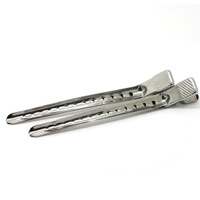 Start taking small sections of the ponytail that you made and curling those sections with a curling iron. The smaller and tighter the curls, the smaller and tighter the waves in your final style will be. Start at the end of the section of hair and curl up to the base of the ponytail. Hold the curling iron there for a moment and then CAREFULLY slide the curling iron out from the center of the curl without unraveling your hair. Don't burn yourself! Keep the hair curled up at the base of the ponytail and hold it in place with an aluminum hair clip (right). Spray each curl lightly with hair spray after it is pinned.
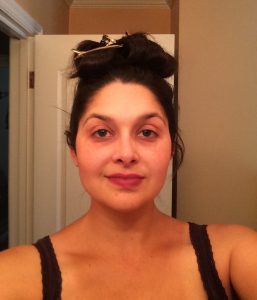 Step 4: Wait
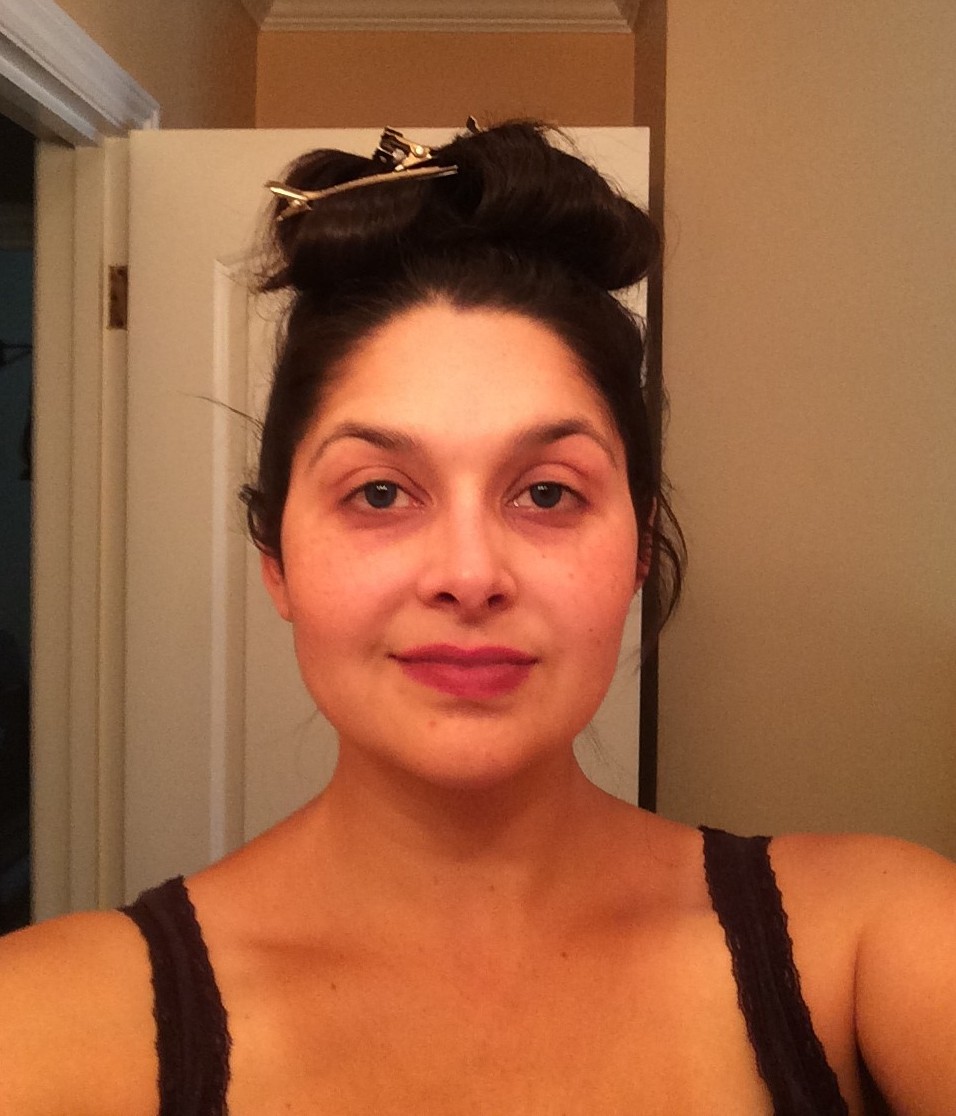
The hard part is done and this is by far the easiest step in the process. Once all of your hair has been curled and clipped around the base of your pony tail, give your whole head one more light dusting with hair spray and then do nothing to it for a while. The longer that your hair is in these curls the longer your style will hold later.
I usually start my beauty prep with steps 1 - 4, then I finish getting ready by getting dressed and applying my makeup while I'm giving my hair more time to set.
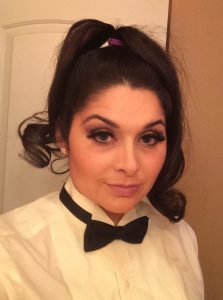 Step 5: Take it Down
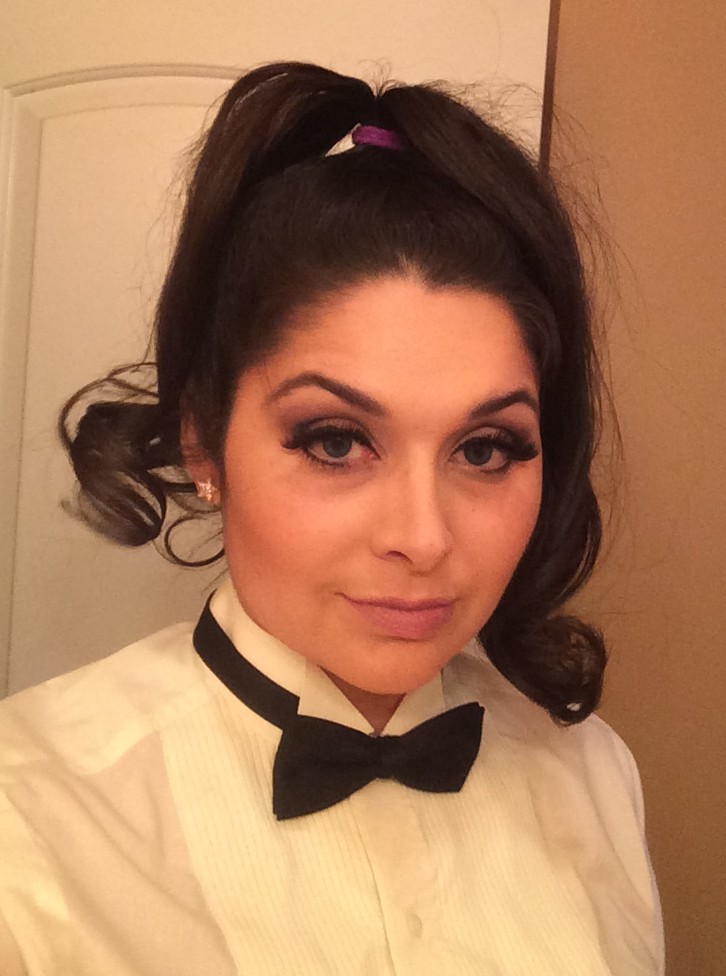
Carefully pull the hair clips out of your ponytail and let each curl fall. You can straighten them a bit with your fingers, but don't run your fingers through them or brush them out. Handling them is the deal of the curls!
Once all your hair is down use the scissors to cut the rubber band and let your hair fall. Again, avoid running a brush or fingers all the way through it, but you can shake your head or use your hands to shake your hair until it loosens up a bit. You can also use your fingers or a comb to create a part, if needed. Lock it in with hairspray when you're done! (Woohoo! I have makeup on in these pics!)
 Step 6: Enjoy!

Enjoy your sexy look! Rest easy knowing that you can look this good whenever you want and without spending all morning on your hair!
Working with Photographers
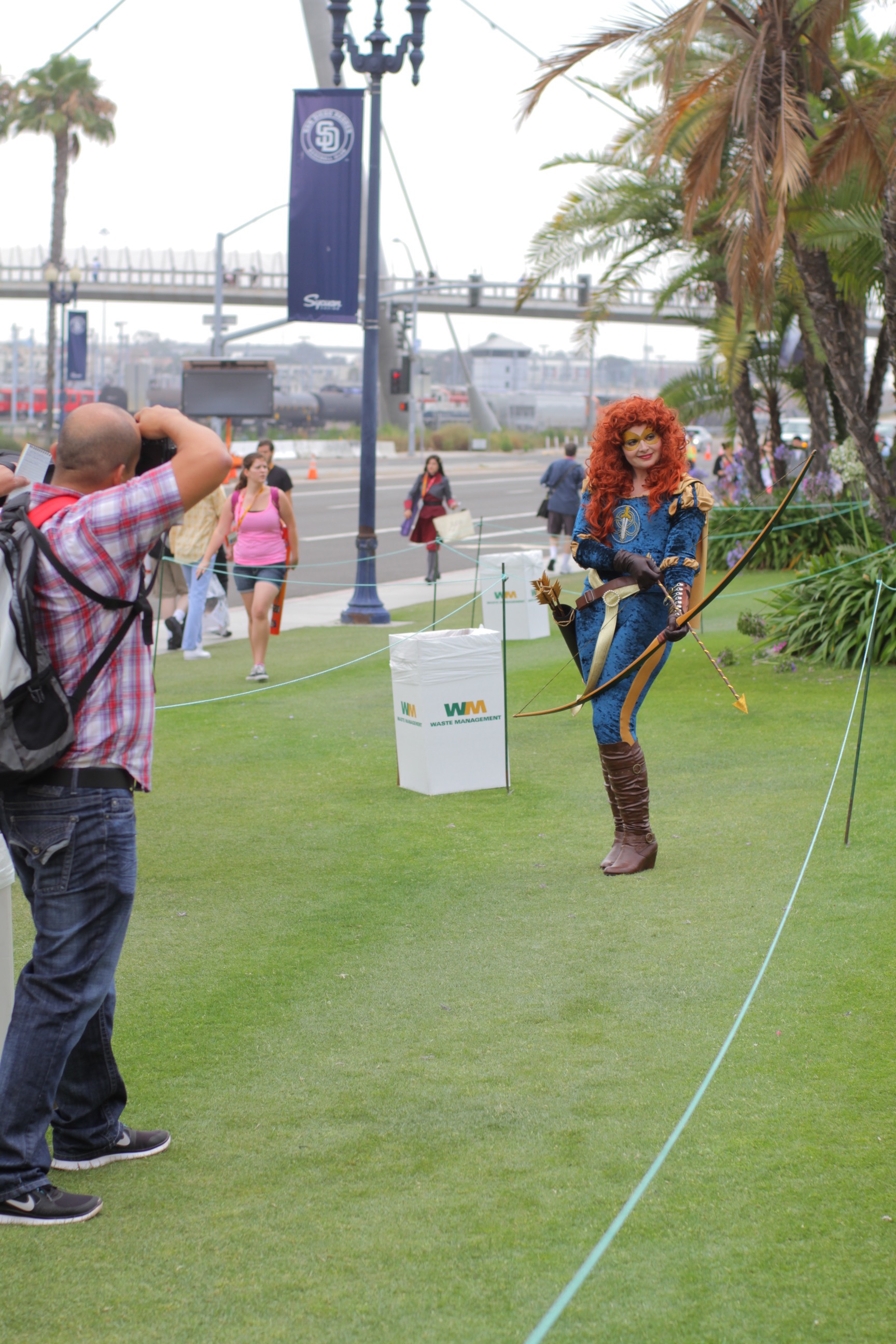 Photographers are an important part of the convention experience for most cosplayers. Whether it is a prearranged photo shoot or a photog wandering the lobby of a convention, it's important that cosplayers realize that the photographers are artists too. There are rules of etiquette that should be followed while working with photographers if you want to get the most out of your shoots.
Do's:
Label Yourself
Photographers will shoot dozens of cosplayers throughout the day. Unless it's a planned shoot and they know you well, it helps to have a label to remind them of 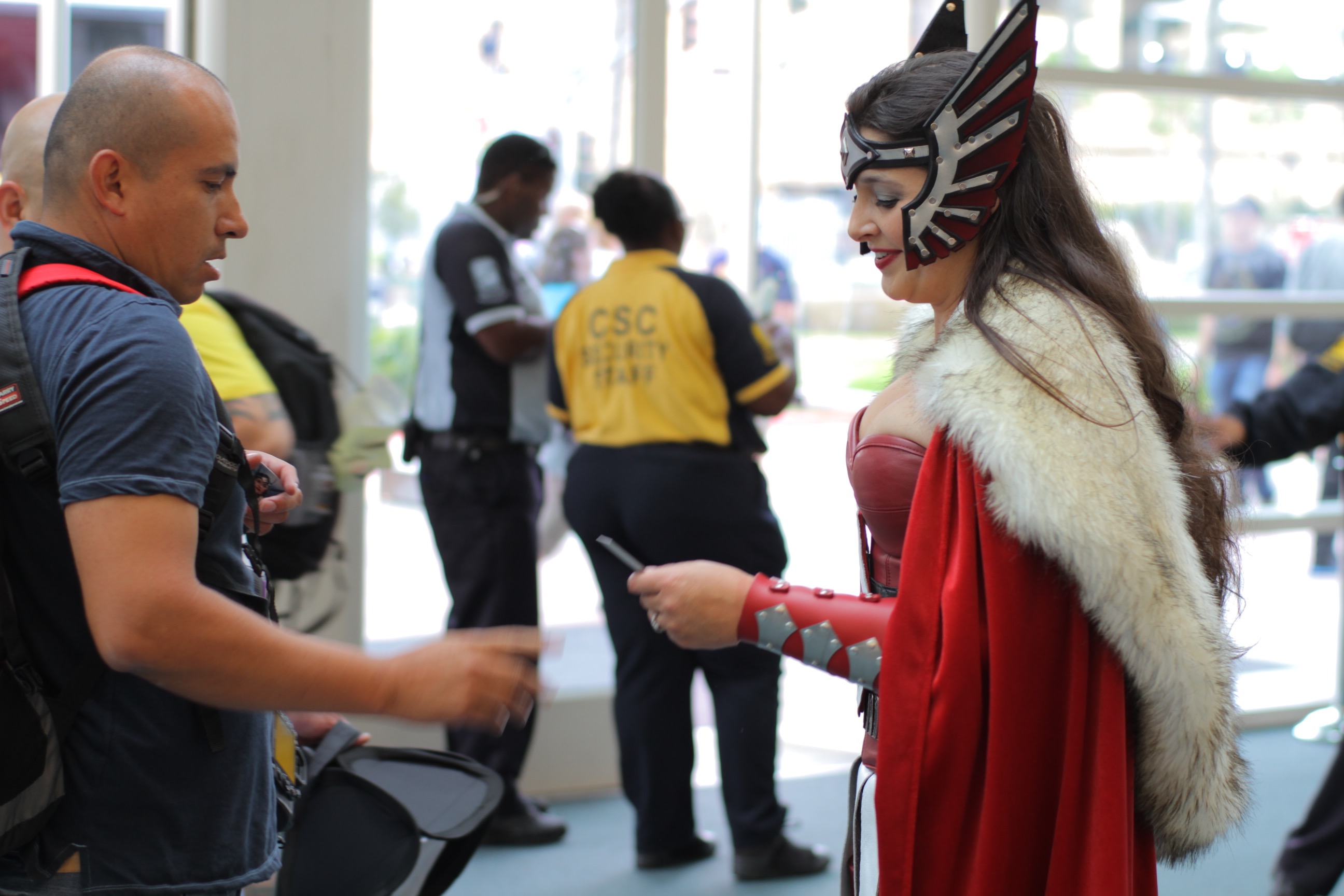 who you are. Asking them to take an extra shot with you holding up your badge or a small sign with your contact info can help them identify you later. Business cards help too, but photographers can have a hard time identifying you when they are sifting through a stack of cards a few days later, especially if your photographed costume does not appear on your card.
Know your Character
Photographers cannot be experts in every character that appears at a convention. It's up to you to know your character and have some appropriate poses ready for photographers in the hall and on private shoots. If a private shoot is happening, tell the photographer a little about the character so they can capture the mood correctly. Pro Tip: Never shame a photographer for not knowing your character. Duh.
Be Patient & Relax
Photo shoots take time and a lot of adjustments. The photographer will probably change the settings on their equipment, move around to different angles, and may even ask you to move or adjust your pose. These things do not mean that you are doing a bad job! Most often, they are working to optimize the lighting or the background of a shot. Let them know upfront if you have a strict timeline, but otherwise, be patient while they practice their art. You wouldn't like it if someone sat next to your sewing machine looking annoyed that you weren't going faster!
Have some Ideas Prepared
 If you've hired or asked for a shoot with a photographer, be sure that you have an idea of what you want from the pictures. Have some locations in mind and schedule it for a time with good lighting. You don't want to waste time wandering around looking for a spot to shoot, or waiting for the light to be right.
Communicate
You are the photographer's partner during the photo shoot. Be respectful, but contribute to the process. If there is a side that you don't want them to shoot, if you'd rather they only get full body shots, if your costume is damaged somewhere and you don't want it in the shot, or if you are running late, let the photographer know! Most of them are really amazing people and will do their best to make you happy.
Know your Rights
In most cases, the photographer owns all the images that they take. Unless you hired the photographer and have a contract saying that you own the images, you will need to get the photographer's permission before using the picture for 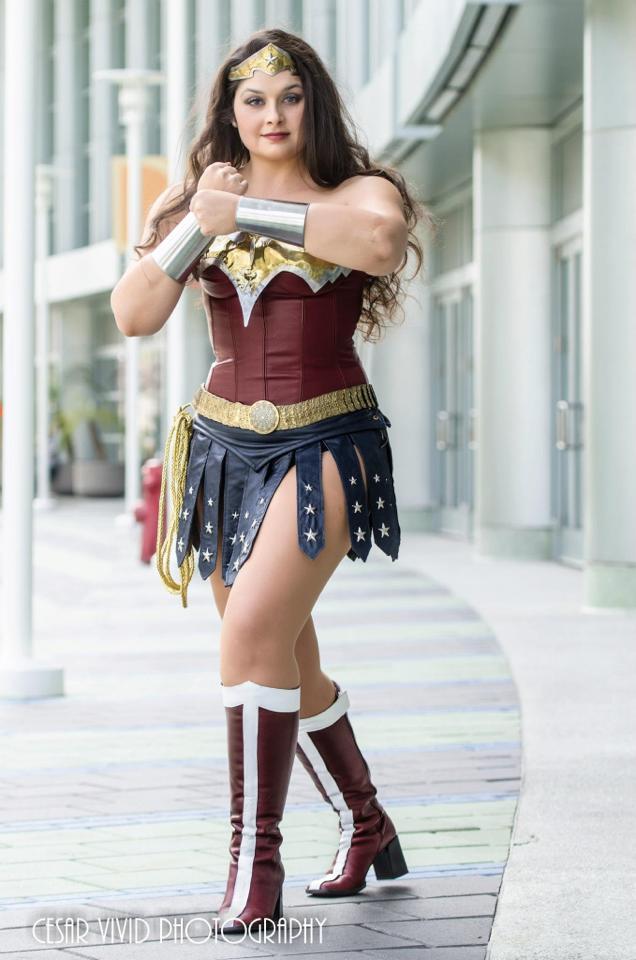 prints, using the pictures to sell products, or for use by third parties like magazines or TV shows. Most photographers don't care if you put the images on personal blogs or social networks, but you should check with them first. (Read this great article by BGZ Studios for a full breakdown of the laws and how they impact photographers and cosplayers.)
Credit the Photographer
No matter where you post or share an image, you should make sure that the photographer is credited with either a watermark on the image or with a caption of some type attached to the picture. There is no excuse for not giving credit to the artist who made the image possible. Be especially careful of this when you share images on Instagram since watermarks sometimes are not able to be fit in the square limit of the pictures! Add a tag and credit in your text!
Don'ts:
Alter Pictures
 The picture is the property of the photographer. Just like you wouldn't want someone repainting your car without asking, it's not right to Photoshop or alter images without the permission of the photographer. This includes cutting out watermarks, changing backgrounds, tweaking the colors, or adding your own watermark. Talk to the photographer before you do any of these things. BEWARE OF INSTAGRAM! The filters and picture proportions there can significantly alter an image.
Change a Planned Shoot without Asking
There is a lot of prep work involved in setting up and planning for a photo shoot and changing details without talking to the photographer can really mess up the final product. Changing a location can completely alter the lighting that a photographer sets up and changing your planned outfit or the number of models in a shot can change what lens a photog needs to use. Don't make changes without giving your photographer some notice.
Leave them Hanging
Life happens. Make sure that you have a way to contact your photographer in case something happens and you will be late or miss a shoot. Wasting their time during a busy convention is one of the fastest ways to insure that a photographer will never shoot with you again.
Ask for Raw Photographs
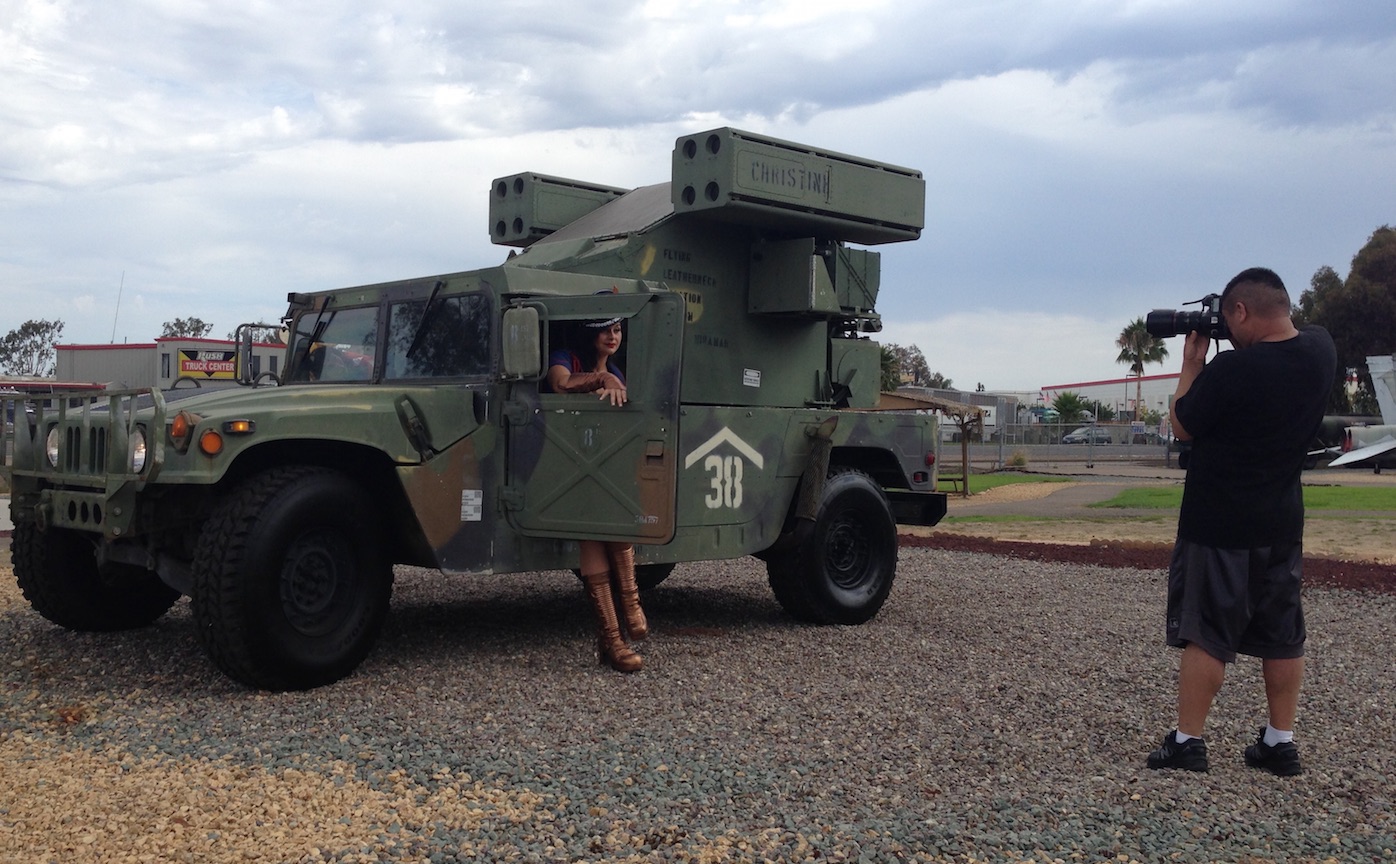 The photographer has made the pictures look a specific way because that was their vision. It is their art and you should respect their vision. Don't ask for the raw pictures so that you can edit them a different way. If you're not a fan of their style, then be polite but don't shoot with that photographer again. Note: This is not the same as asking for larger file sizes for prints, etc.
Crash a Shoot
A photographer with a nice setup draws cosplayers like moths to a flame. However, it is very rude to interrupt a shoot to see if you can "be next," or to stand right next to the shoot talking loudly or tapping your foot. Move a little way off and wait patiently. When you see the shoot finishing up, politely ask if the photographer has any openings to shoot that day. Be understanding if the answer is no.
Go off Alone with a Stranger
Most convention photographers are totally legitimate professionals and hobbyists, but an impressive camera does not always mean that the person has good intentions. Never go to an off-site or secluded location alone with a photographer that you don't know well. No professional photographer will object to you having friends tag along to make you comfortable and help insure your safety. TRUST YOUR GUT FEELINGS ON THIS! If something feels off or if a photographer is trying hard to get you alone, STAY AWAY!
Do Anything that makes You Uncomfortable
If you feel uncomfortable with the actions or attitude of a photographer, stop the shoot. Pictures are not worth your pride, or the humiliation that might come later if the photographer is taking advantage of the situation. You are partners with the photographer and respect goes both ways.
Thank you to Photographers Sonny Meas, Deborah Kountz, Dwain Linden, Mike Rollerson, Eddric Lee for their input and contributions to this article. Special thanks to Sam Balcomb for the uncredited images in this article, and to Andrew Ho and Cesar Vivid Photography for appearing in those pictures.

Fighting Food Cravings
Cravings are a common hurdle to fitness in a world where unhealthy choices are often the easiest. The leftover box of donuts in the staff room or the candy by the checkout counter are so convenient and appealing. How can we make good choices when our bodies call out for something we know is unhealthy?
DRINK WATER & SLEEP

When we are low on energy or dehydrated, our body reacts by making us crave foods that will give us energy! Usually, we reach for foods high in carbs and sugar. If you are thinking about snacking, drink a glass of water first to see if that's what your body really needs. Make sure that you are getting enough sleep, or if you can't get your 8 hours, try drinking unsweetened tea or black coffee to give you a boost without adding to your sugar intake.
EAT MORE FREQUENTLY
There is a difference between emotional cravings and real hunger. Fend off hunger by spacing out your healthy meals and having planned snacks throughout the day. Be sure to measure servings and keep track of nutritional values. The idea is to eat more often, not to eat more.

EAT MORE PROTEIN
Protein is a great way to fight food cravings, because it keeps you feeling full for longer! Protein also contributes to lean muscle mass, and it actually uses up more calories just to digest it, so it’s a great option when you are working to get fit. Every meal of your day, including snacks, should include protein.
UNDERSTAND YOUR CRAVINGS
Most cravings are caused by emotional factors, like stress or boredom. Do you suddenly want candy before a meeting with your boss? Do you end up snacking while you're watching Netflix at home? Maybe when you think about your ex you binge on ice cream? Once you identify the root of your cravings it is easier to resist them. Try elevating your mood in other ways, like creating an upbeat or relaxing playlist of music to listen to whenever a food craving strikes. The songs provide an emotional release AND won't add regret to your feelings later in the day!
DISTRACT YOURSELF
Food cravings behave like waves: They build, crest, and then disappear. If you can distract yourself for a 10-15 minutes, it's very likely that your craving will subside and you will be able to move on with your day. Distractions that involved moving are especially effective. Try taking a short walk, some simple cleaning, or making a phone call to take your mind off of food.
BE PREPARED

Study your daily routines. If you get cravings every afternoon around 3pm, make sure that you are prepared! Arm yourself with healthy pre-portioned snacks so you don’t overdo it when your cravings inevitably strike. Fiber-rich or nutrient-dense snacks are longer-lasting pick-me-ups than the sugar- and fat-filled treats we tend to yearn for. Make sure to keep track of nutritional values and servings, and make sure that protein is a part of those snacks. Having these smarter snacks on hand will also help you make good choices when cupcakes or donuts unexpectedly show up at the office.
BE HONEST & KEEP TRACK
It's easy to lose track of how much we eat throughout the day. We tell ourselves that the 5 Jelly Beans we grab from the receptionist's candy jar don't count, a drink after work can't have THAT much sugar, or that having a larger portion than the prescribed serving won't really matter, but it adds up. Be honest with yourself about how much you are consuming throughout the day. A few impulsive choices can undo a lot of hard work, but remember...

TOMORROW IS ANOTHER DAY
There are times when enjoying a piece of birthday cake with a friend or sharing ice cream with your kids is worth it! Let yourself indulge sometimes! It helps keep life fun, but be sure to be honest with yourself about how often and how much you are indulging.
I wrote this article for the NerdstrongGym.com blog!
Top 5 Moves for Healthy Hips
The hips are one of the most important joints in the human body. Our hips are responsible for supporting our body weight and they are the most important point in our body for maintaining balance and for correcting the alignment of the spine to maintain healthy posture. Hips do a lot!
Unfortunately, most of us aren't very kind to our hips. We spend long hours sitting at desks or on the couch which weakens our hip muscles and starts limiting their mobility. Humans were not made to sit in a chair position for hours on end and most of us don't realize how limited our hip mobility has become until we start trying to get back in shape.
BEFORE YOUR WORKOUT:
1) THE COUCH STRETCH
Do not let the name of this stretch fool you! It is not as comfy as it sounds, but it will do wonders for stretching out your hips and improving mobility. Start with short amounts of time, such as 2 reps of 20 seconds on each leg, then build up as your comfort and flexibility increase.
2) THE HIP OPENER STRETCH
This video has a lot of information! Watch it all! The specific move we love starts at 1:55 and really works wonders to improve mobility.
3) BANDED HIP FLEX
The muscles that flex a joint are called "flexors." This move will help stretch your hip flexors and make prep them for whatever your workout throws at them!
FOR AFTER YOUR WORKOUT:
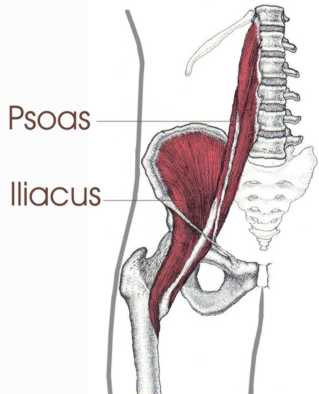
4) PSOAS MUSCLE RELEASE
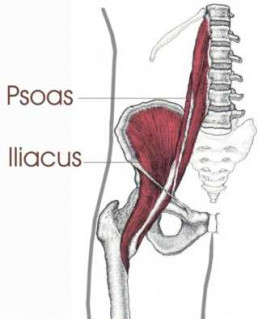
The psoas muscle is one of our hip flexors. If we constantly contract the psoas due to stress, tension, or sitting for long periods of time, the muscle eventually begins to shorten leading to a host of painful conditions including low back pain, sacroiliac pain, sciatica, disc problems, scoliosis, hip degeneration, knee pain, and more. This awkward looking move helps release and relax the psoas muscles and can combat chronic lower body pain.
5) ILIACUS RELEASE
This super simple move releases the iliacus muscle which is important for flexing the femur forward. Prolonged sitting with the iliacus in a shortened state, or just the lack of stretching over time, can lead to the iliacus adapting to its shortened position and cause many lower body mobility and pain issues. (It is connected to the psoas, so do moves #4 and #5 together!)
Making time for a few minutes of mobility work before and after your workouts can be a game changer! No matter how strong you become, you will not be able to do most movements correctly without muscle mobility. Make these five moves a part of your regular routine and your hips will be healthy and happy!
I wrote this article for the Nerdstronggym.com blog!
Tabletop RPGs: Tips for New Players
"I'd love to play D&D but I don't know how and don't want to mess up the game."
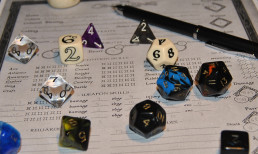
I've heard this statement from many people over the years, many of whom became avid gamers with a little assistance. Playing tabletop RPGs is a lot of fun, but it can also be intimidating for new players. Unlike most board games with a set goal and predicable player experience, RPGs change with every choice that the characters make during the game session.
Not having a "right way" or rails to fall back on can make inexperience players feel unsure and self conscious, but don't let that keep you from joining a game!
Nobody learns to play a tabletop RPG without sitting at a table and actually playing.
You can memorize everything about the game, but becoming a good RPG player takes practice. You will learn as you go, and even after playing for decades you will keep learning from new experiences. Just like the characters we play, we get XP as we go!
It always helps to have some guidance though, and so, I'd like to impart some knowledge that will be helpful to new players.
Who is in charge?
 The Game Master (GM), or Dungeon Master (DM) if you are playing D&D, is in charge of running the game. It is their job to make sure that the game is engaging, follows the system's rules, and that everyone is having fun. They are, in many ways, the "god" of your game world. They create the setting, non- player characters, monsters, situations and everything else that you and your fellow players will face in the game.
It is important to note that the GM does NOT get to make your choices for you.
They can create the dungeon with a dragon inside, but they cannot make your character walk in and slay it. That has to be your choice. If you want your character to head to the local tavern instead, you have that right! (But I can't guarantee the GM won't turn around and make the dragon attack the tavern!)
It's a good idea to befriend your GM. They are the best resource for everything related to your campaign and can help you with any questions you have along the way. Work closely with them as you learn the system and show your appreciation for all the hard work they put in to keeping the game going. You show up and play once a week, but they spend hours prepping before every session. Without the GM, there is no game.
How do I build my character?
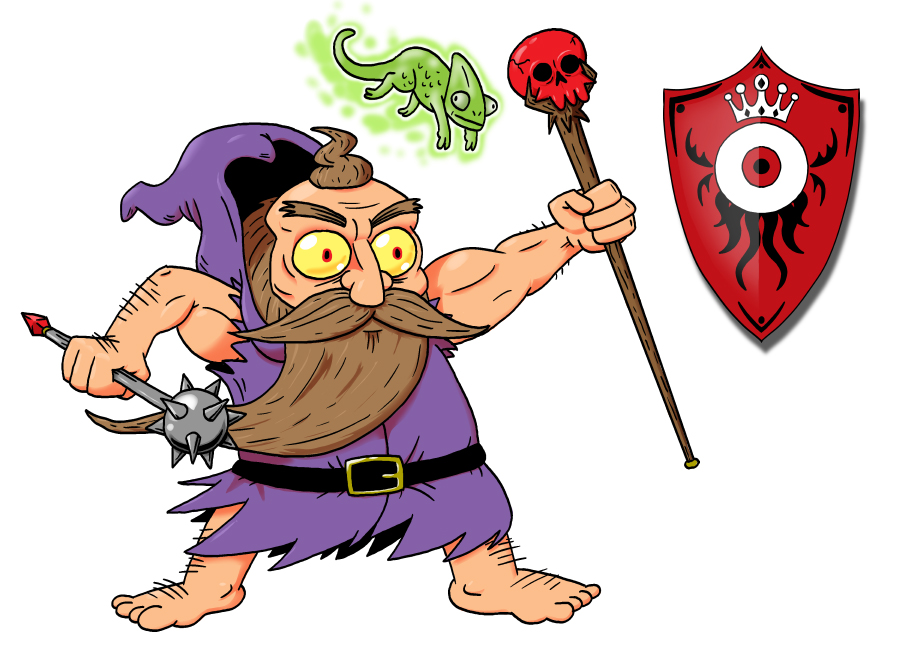 I could write a whole post about creating a character (and I probably will in the future!) but for now, I will try to keep it short and sweet.
Talk to your GM before you start making your character and ask for their advice. Different games have different flavors and you don't want your character to bring a gun to a magic fight, or be an evil character in a group of holy paladins. Or maybe you do want that, but you should get permission from your GM before adding that type of complexity to the game.
All systems have a set of mechanics to help you build a character's abilities, so make sure that you read that section of the players handbook thoroughly. If you have questions about the process, your GM and fellow players are your best resource to help you make your character. There are also many online forums where you can ask any questions that you might have during character creation.
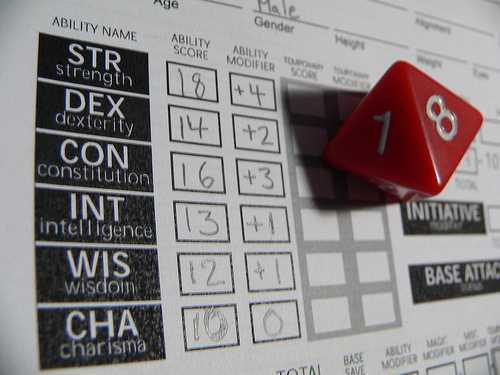 Make sure that your character's stats (strength, intelligence, etc) support the skills and abilities that you select for them. For example, most fighters will need a lot of physical stat points, such as strength and constitution, while magic users or investigation types will need more intellectual stats. It's not helpful to have a fighter who isn't strong enough to wear their armor! Chose your stats and abilities wisely, because they change slowly once the campaign starts!
Next, develop your character's personality. Hopefully, you had something in mind while you were working on his/her stats and skills. Some game systems have personality stuff built in to character creation which give you a basic framework for a personality and back story. If so, great! Just use that as a basic structure and add in some smaller details. If not, you have a bit more to do to create your character.
What can my character do?

Your character can TRY anything that you'd like, but they won't always succeed. Take chances and think out of the box. Every problem should have multiple solutions. Success is determined by your dice rolls and the GM's choices. Choose wisely! Saying, "I shove a sword up his butt!" may not be as funny as you expect when it actually happens in the game.
Be an active participant!
Tabletop RPG game sessions can last a long time, usually several hours for a single session. The time can sometimes pass slowly, especially during combat, it's important to take an ACTIVE interest in everything that is happening during the game. That means listening and participating in character, maybe even taking notes so that you can remember important details later.
Combat can take time, but it's important that you are paying attention to what other players are doing on their turns!
There is nothing worse than being in the midst of a difficult combat and having a player do something useless because they have no idea what the last player did on their turn. Be aware of what players are doing so that you can make good tactical choices and contribute to the battle!
What is metagaming? Why is it bad?
 Metagaming is making decisions based upon out of game knowledge. For example, you saw your GM's notes and know that there is a dragon in the dungeon. If you have your character avoid the dungeon, you are metagaming. Your character doesn't know there is a dragon waiting to eat you. You are using PLAYER knowledge to make a choice in game, not CHARACTER knowledge. For obvious reasons, metagaming can really mess up a game. DON'T DO IT!
Ask Questions!
Nobody expects you to know everything! Asking questions, in character or out of character, is a natural part of the game. Everyone does it, no matter how long they have been playing. Why do you think gamers carry around the game rule books all the time?

Surviving Girl Scout Cookie Season
IT'S FEBRUARY, AND THAT MEANS THAT YOUNG GIRLS ALL OVER AMERICA ARE TRYING TO RUIN YOUR HEALTHY DIET... I MEAN, SELL COOKIES TO RAISE MONEY IN SUPPORT OF THE GIRL SCOUTS OF AMERICA.

Almost all of us get the Girl Scout sales pitch eventually. Whether it is a relative, a friend's kid, or an enthusiastic gaggle of girls selling at the exit of our favorite supermarket, we are faced with the difficult decision to buy Girl Scout cookies, or not. It's hard to say no. After all, it supports a great cause, and who wants to face the disappointment on a little girl's face? Plus, the cookies are delicious! So what can you do to stay healthy in this sugar filled season?
DONATE COOKIES TO OUR TROOPS
This is by far the healthiest option! You support your favorite Girl Scout, but the cookies are sent to the brave men and women serving overseas in the US military. When you purchase cookies from a Girl Scout troop that is participating in the "Gift of Caring" program, you simply mark on the form how many boxes you would like to purchase for the troops. The Girl Scouts of America will coordinate the shipping! It's all the caring with none of the calories! (As an added bonus, you can write the cookies off on your taxes as a charitable donation!)

GIVE COOKIES AS A GIFT
Giving away the cookies as a gift is another great option. It's not as easy as donating to the troops because you have to receive the cookies, then have the strength to give them away again! This strategy works best if you initially order the cookies for specific people, rather than ordering a bunch of boxes and then try to decide who gets them.
KNOW THE COOKIES

If you are going to order cookies for yourself, make good choices. Visit the Cookie Page on the Girl Scouts' website for the nutritional information before you buy!
Best Choice: The shortbread cookies are probably the least bad for you (notice, I don't say good for you!) With a serving size of 4 cookies, you get 120 calories (30 calories per cookie), 4.5 g total fat, 2 g saturated fat, 0 g trans fat, 105 mg sodium, 19 g total carbohydrate, <1 g fiber, 4 g sugars, 1 g protein. Per cookie, the calories are pretty low. One serving also delivers the least amount of total fat and sugar. There are only 10 ingredients in the ingredient list—and sugar appears a mere two times.
Worst Choice: Caramel deLites are probably the worst Girl Scout Cookie for your diet. Just two cookies contain 140 calories (70 calories per cookie), 7 g total fat, 6 g saturated fat, 0 g trans fat, 85 mg sodium, 19 g total carbohydrate, 1 g fiber, 13 g sugars, 1 g protein. Caramel deLites deliver the most saturated fat (one serving is 30 percent of your daily value) and although it’s labeled as containing 0 grams of trans fat, the ingredient list includes partially hydrogenated oil. Caramel deLites also have the most sugar of all the cookies—in fact, sugar is the first ingredient (most of the others list flour first), and is disguised under different names a total of six times on the ingredient list.
Notice: Some cookies have two different names! That's because GSoA uses two different bakers to make their cookies! The cookies may look the same, but they may have different nutritional information. For example, Caramel deLites have 12 grams of sugar per serving, while their twin cookie Samoas only have 10 grams of sugar.
PAY ATTENTION TO PORTIONS
Most Girl Scout Cookies have a serving size of 1-4 cookies. It can be really easy to finish of half a box in one sitting, especially if you aren't paying attention. It's just so easy to grab one more cookie... and then one more. To prevent this, read the portion size when you first get the box of cookies and write the serving size in big letters on the box to help keep you strong. If you really struggle with portion control, it might be best to pre-sort the cookies into sandwich bags with the appropriate amount of cookies in each bag.
STAY STRONG!
You can do this! The short-term gratification of binging on cookies is not worth risking your long-term goals and results. Think of it this way: Living a healthy life now will help insure that you are around to support the Girl Scouts for many more years to come!